Tuesday, 9 January 2024

Panzerchrist - All Witches Shall Burn (2024)

Country: Denmark
Style: Black/Death Metal
Rating: 6/10
Release Date: 5 Jan 2024
Sites: Facebook | Instagram | Metal Archives | Wikipedia

Panzerchrist have been around for a long time, formed in 1993 and with a steady stream of studio albums, seven of them between 1996 and 2013. They play death metal that's blackened massively, so it's fair to expect plenty of both those genres from them. It took them ten years to knock out an eighth album, Last of a Kind, which I completely missed last July when I was swamped with events. That may be because of line-up issues, because there are only two long-standing members in the band nowadays.

That's Michael Enevoldsen, who founded Panzerchrist, but changed roles within it over time. His initial instrument was drums, which he played on their first two albums, and he also contributed keyboards. He isn't even on their third album, Soul Collector, though he wrote half the songs, but he switched to bass at that point, which he still plays to this day, keeping keyboards as a side role. Frederik O'Carroll is on his second stint with the band, but he's put in over a couple of decades in total. Everyone else joined in 2023, so were brand new on Last of a Kind.

That's Danny Bo Pedersen on guitar, Sonja Rosenlund Ahl on vocals and Danni Jelsgaard on drums, though he left the same year and has been replaced going forward by Ove Lungskov. I'm guessing that Pedersen and Ahl came as a double act, after their previous band, Arsenic Addict, split up in 2022. Both are strong here, with Ahl perhaps most obvious, not least because she also happens to be the first female lead singer Panzerchrist have had across a whole series of vocalists.

I haven't heard Last of a Kind, but I'm rather intrigued by it now, because this EP moves through a heck of a lot of territory. Sabbath of the Rat is what I expect from them, furious drumming over a set of chord progressions from the guitars and raw vocals leading the way. It's a good opener and it features an elegent slower section in the second half. This song is on Last of a Kind, though I'm not aware of whether this version is changed in any way, given that it isn't the EP's title track. In fact, there isn't one, so it feels like a deliberately varied presentation without focus being meant to be given to any one of the tracks.

That variety comes in with Stone of the Graveless, which starts out pure industrial then adds slow and heavy riffs over the top. This is doom metal at the front but industrial at the back, with Ahl a breathy death metal voice over the top of it all. It's unusual and, even before the band moved on to two further tracks that do different things, I started to think about Celtic Frost, not because it sounds like them but because, like they famously did, it feels like Panzerchrist are choosing to do exactly what they want to do, whether people expect it or not.

Stone for the Graveless does speed up, with a fascinating mix of fast double bass pedals and slow beats, but it retains a somewhat different feel, especially as the industrial sound never entirely leaves. It takes over again early in the second half and, while it's hard to tell, I think it remains in place even when the furious drumming kicks in over the top. The guitar gets more interesting in the second half too. Eventually, with a minute or so left, it becomes more traditional for a while, but it never stays there. There's always something interesting coming.

And, as if by magic, Satan is Among Us is something else that's interesting. It opens almost like an avant-garde classical piece, dissonant strings and dancing flutes. The drums bring in the band and we're back off and running, with Jelsgaard's frantic feet and Ahl's raucous voice. Again, the tempo is never a set thing and it continues to evolve over its five minutes. Stone for the Graveless passed six and is really starting to grow on me. This one isn't as much, as the changes seem clumsier. I'm pretty sure there's a male voice joining in at points to duet but I'm not seeing a credit for one, so it may all be Ahl. She certainly has the range for it to be her throughout.

She's a Witch wraps up the EP and it's the point at which the keyboards start to show themselves, with an atmospheric horror movie type intro. Ahl actually sings on this one, rather than relying on her death growl, and it starts to feel a little like a theatrical setup that someone like Alice Cooper might use as a live show intro, with a quirky female voice and a church organ. What surprises here is that the intro runs on past a minute, two minutes, three minutes and we suddenly realise that there's not much left, so this is what we're getting. It's the song.

So, there's a serious versatility here, well beyond what we might expect from a blackened death metal band. I'm suddenly intrigued by what might be on Last of a Kind, noting that the one song here that's also on there is the one and only traditional piece on offer. Maybe the other three are what the band created during their sessions for the album and realised weren't ever going to fit. Maybe the album sounds this thoroughly diverse. I may have to go back and find out. I'm going to go with a 6/10 here, but that's because it doesn't feel particularly coherent and because the first two songs seem to be in a different league to the second two.

Spidergawd - Spidergawd VII (2023)

Country: Norway
Style: Hard Rock
Rating: 9/10
Release Date: 10 Nov 2023
Sites: Bandcamp | Facebook | Instagram | Official Website | Twitter

While they may have the least inventive album titles since Chicago, Spidergawd instead choose to pour invention into their music and this is another immense album from them. I gave Spidergawd VI a 9/10, so they were up against it to match that this time out. I've been away from writing music reviews for a couple of weeks as I nailed down a film zine with a particularly urgent deadline but I listened to this a lot over that time and it keeps getting better. It was always going to be at least an 8/10 but I'm enthused by it enough to warrant another 9/10.

I think it was the instrumental section late in the second track, The Tower, that's what started me onto the path to a 9/10. The opener, Sands of Time, is a strong song to kick things off, but it's not a particularly unusual one, with a sort of Magnum-esque effortlessness. It's very commercial with a clear arena rock influence, often with a Sammy Hagar era Van Halen vibe to it as well, but it's very tasty too. It's impeccably written and impeccably performed. It just doesn't carry much in the way of invention.

The invention I expect from Spidergawd arrives with a delightful carnival-style intro to The Tower, almost in a way that Dire Straits might do, though their opportunity for this one would have been Tunnel of Love and they went a different way. A minute in, it finds a proggier vibe but with riffing like Tank. This is an impeccable groove and it only gets better when it shifts into that instrumental section late in the song, which is gorgeous, starting a trend that continues unabated over the next few songs.

Dinosaur is better again and it's a great example of a song that grows on repeat listens. It may be my favourite of the first seven tracks, though Bored to Death comes close. That has another neat galloping groove and another great instrumental section, this one longer too, though there are backing vocals floating over the top at points. These are sublime songs and the saxophone I tend to expect from Spidergawd nowadays shows up early on too. I had missed that, because it's not as prominent on this album until we reach the closer. I kept catching glimpses of it but it vanished in most instances as if it was never there to begin with and I was merely dreaming.

As we shift into the second half, Your Heritage and Afterburner continue in much the same vein, especially the latter. Every one of these is a good song while it's being sung, Per Borten I believe handling that perhaps exclusively here, as I only see Hallvard Gaardløs credited on bass. He does an excellent job and I don't want to cast any shade on his mike work, but every one of these songs also elevates when it evolves into an instrumental section. This band, with Borten again leading the way on lead guitar, find magnificent grooves as easily as falling off a log and grow them well enough that I found myself wondering what an instrumental Spidergawd album might sound like.

I believe Your Heritage is the first single this time out and that may make sense. It's close to being the shortest song here at just over four minutes—only Afterburner is shorter—and it's the one I'd call closest to their Thin Lizzy style, in the riffs and also in the solo. It's another good one, because there are no songs here that aren't good ones, at the very least, but it's a long way from the ones I'd call out as favourites.

Before I get to the closer, because that's absolutely my favourite, above the various gems I called out on the first half, I should mention Anchor Song, because it's the only other song here. There's a real weight to its intro, which is the heaviest moment on the album. The song proper calms and emulates the tone of much of the rest of the album, but there's also a slight alternative vibe to it as well. It also features another fantastic riff. But to that closer.

It's called ...And Nothing But the Truth and it's the epic of the album, even though it's only a little longer than five minutes and not close to the six minutes of The Tower, itself hardly long when we start talking prog. This one ratchets everything up to eleven and unfolds as an absolute peach of a closer. It starts out with the saxophone of Rolf Martin Snustad and builds through acoustic chords reminiscent of Pink Floyd to a more emphatic version of everything we've heard thus far. Borten's more emphatic with his vocals and even more emphatic with his guitar, delivering my favourite of many favourite guitar solos. There are maybe six songs here, out of eight, that absolutely blister through their last minute or two, but this one has to end an album rather than just a song and it's easily up to the task.

So, yeah, this is a second 9/10 in a row from me for a Spidergawd album. They're less proggy than even I'm used to and I only came in with Spidergawd V. However, they're still absolutely on top of their game and this is highly recommended Norwegian hard rock indeed.

Monday, 8 January 2024

L'Âme Immortelle - Ungelebte Leben (2024)

Country: Austria
Style: Darkwave/NDH
Rating: 7/10
Release Date: 5 Jan 2024
Sites: Facebook | Instagram | Wikipedia | YouTube

Here's another band new to me who may not be to you, given that they've been around since 1996 and this is their fifteenth studio album. L'Âme Immortelle, which translates to Immortal Soul, are an electro-rock band from Vienna whose sound has apparently changed over time and back again. Initially, it seems, they played darkwave, but gradually got heavier and moved into NDH, a genre I still know far too little about, even though I do know Rammstein and have now heard Oomph! and an array of others. However, later on in their career, they apparently started moving back again.

All I know is what I hear on this album, which feels less like what I know as darkwave and more like NDH lite. All the elements I expect from NDH are here, except the crunch doesn't have the impact that I'm used to. They have all the setup that Rammstein have, and some of it has edges, but every time Rammstein would kick in hard with a huge back end, L'Âme Immortelle don't. Part of that has to do with them fundamentally being only two people, Thomas Rainer and Sonja Kraushofer, both of them vocalists with the latter the lead singer and the former also playing keyboards, which I'm presuming are the only backdrop to the voices. The beats are presumably programmed on a drum machine.

Its absence of that crunch means that this often reminds me more of eighties new wave, especially as Kraushofer sings with a pop voice. Rainer provides some darkness when he opens his mouth on the opener, Was Wäre, Wenn, because he has a harsh edge to it. However, he shifts to new wave as well on War of Silence, which is lighter again. It might be NDH without the oomph, if you'll excuse that pun, but it's also darkwave without the dark. It wouldn't have surprised me to discover that I heard this track a few decades ago and simply forgot. The heavier songs here are the ones where Rainer sings more, such as the title track, which he kicks off and which plays out as a duet.

The only song where both Kraushofer and Rainer sound dark is Nie genug, even though it picks up quite a jaunty pop beat. He's certainly darker than she is on this one but she plays along more and the result is irresistible. The fact that it also features plenty of dynamic play too is just a bonus. It probably helps as well that it's bookended by two of the poppier songs in Push and Nur für euch. I should add that I like both of them, even though it's mostly the heavier songs that stood out to me on a first listen and even more so on repeats, with one notable exception in the closer that I'll talk about next.

Kraushofer moves into more of a musical theatre style for Regret, initially a ballad but one that's built a lot further than ballads tend to go. There's musical theatre throughout the album, but it's most overt in the final track, Widerhall, which means Echo and is as creepily atmospheric as what we heard from Till Lindemann in the piano version of Mein Herz Brennt and for many of the same reasons. She simply commands our attention, even though the musical backdrop unfolding behind her is notably subdued except for one brief section two thirds of the way in. It's easily my favourite piece here, all the way to its delightfully underplayed finalé.

If that suggests that there's a heck of a range here, then I'm doing my job right. Initially, I wanted to figure out if this was rock or pop, which seemed like it would depend on which mode the band is going here, heavier NDH or lighter darkwave. What I found was that there are songs that have to be called pop, whether War of Silence, which is old school new wave, or Own Ways, which feels like something off a David Lynch album. However, there are songs that are clearly rock and they're not just the heavier ones. And, of course, there's the musical theatre aspect, which isn't usually what I tend to appreciate but which is right up my alley here. This is dark and expressive musical theatre.

That genre-spanning depth kept me listening to this for a few days to try to figure out its secrets. I know I like it but I think I have to be German or Austrian to grok how appropriate this combination of genres feels and I'm not. However, I'm finding it fascinating so I'll continue to dive into NDH and electro-rock when I can.

Girlschool - WTFortyFive? (2023)

Country: UK
Style: Hard and Heavy
Rating: 7/10
Release Date: 28 Jul 2023
Sites: Facebook | Instagram | Metal Archives | Official Website | Twitter | YouTube

I was diving into CoKoCon prep when this album came out late last July and lost the opportunity to listen and review, but I wasn't going to lose out on doing that in my catch-up January. I remember Girlschool well from the eighties, though I wasn't around early enough to see them start. I was on board by Running Wild and had caught up with their earlier records by then too, courtesy of them being played on the Friday Rock Show. They were never the most innovative or virtuosic band out there but they never tried to be. Like their frequent tourmates and collaborators, Motörhead, the point was to just play rock and roll.

They do precisely that here on what appears to be only their thirteenth studio album, seven years after Guilty as Sin in 2015, and some of these songs sound just like classic Girlschool, merely with a 21st century production job that's agreeably heavy and clear without being entirely clean. There's always a level of grit in a Girlschool song, even one with the catchiest hook. There's a lot of grit on this album and there are plenty of great hooks, from the very outset on It Is What It Is, which is a strong opener.

The best aspect is exquisitely simple: Girlschool stick to the tried and true approach and turn out a bunch of songs that rock. That's it! You don't need a critic like me waxing lyrical about this aspect or that when that's all they care about doing. It's enough to point out that they do it very well and that, while this is decent on a first listen, it gets better with each repeat. There's nothing fancy in the songs that gradually leaps out for us to notice. It's just down and dirty rock 'n' roll played with a metal edge and an eye to oomph and melody.

However, the worst aspect is pretty much the same thing, not because taking this straightforward approach is a bad idea—it isn't—but because there is one song that feels a little different and it's so impressive that it ends up reminding us that there could have been more songs like this one but there aren't. That song is Cold Dark Heart, which has a real character to it. That's a wonderful riff to underpin everything, even though it's not particularly complex, but the melody, which is hardly complex either, got totally under my skin. It's easily the highlight of the album, but ironically, the rest wouldn't seem like they were missing something if it hadn't been included.

Cold Dark Heart isn't a particularly deep song lyrically but it also sets a mood with its story, which few of the other songs do. Most of them are lyrically unadventurous, settling for routine concepts, like It Is What It Is, It's a Mess and Up to No Good. They're all about exactly what you think they're about and nothing more. I started to look ahead and think what Into the Night, Are You Ready and Party might be about. And yeah, they were.

The only song that might need a little introduction is a classic call out to their fans, Barmy Army, which was the name of the Girlschool fan club way back in the day and still describes the diehards. The only song that tries to dig a little deeper into a substantial subject is Invisible Killer, but it's a song about COVID that would have been spot on three years ago but now feels a little past its due date. It certainly doesn't add anything to the conversation in 2024 when there are probably plenty of important things still to be said.

And suddenly I'm feeling negative, which wasn't my intent. I seriously doubt that you're reading a review of a Girlschool album for innovative music or incisive lyrics. You want songs with huge riffs, catchy hooks and an overriding sense of fun and that's exactly what this album delivers. This is an impressive album indeed from that standpoint and while I can happily say that Cold Dark Heart is a little more metallic, It's a Mess is poppier and Believing in You goes for more of an AC/DC hard rock vibe, there isn't a duff track anywhere to be found.

It also ends well and in particularly touching fashion. Sure, the final track, a cover of Motörhead's Born to Raise Hell, featuring guest appearances from Biff Byford of Saxon, Duff McKagan of Guns n' Roses and Phil Campbell of, well, Motörhead, does nothing new with the song, but it has no need to. What's important is that the previous Girlschool album came out on 13th November 2015, which was a day after we lost Philthy Animal Taylor, a month before we lost Lemmy and a couple of years before we lost Fast Eddie Clarke. That's the entire classic line-up of Motörhead, who were closely connected to Girlschool for decades. I won't pretend I didn't shed a tear listening to this cover.

It's also a firm reminder that, while we all miss Motörhead, we've also missed Girlschool but they are still with us. That's still Kim McAuliffe on vocals and guitars and Denise Dufort on drums, the roles they've played since moment one in 1978. On bass is Tracey Lamb, on her third stint with the band, her first coming back in my day in 1987. The new fish is guitarist Jackie Chambers, who has almost a quarter of a century with the band under her belt, more if you count the years when she was writing with them. This is the old Girlschool, WTFortyFive years in, and they sound as good as ever. Cheers, you lot!

Friday, 5 January 2024

Black Sky Giant - The Red Chariot (2024)

Country: Argentina
Style: Psychedelic Rock
Rating: 7/10
Release Date: 1 Jan 2024
Sites: Bandcamp | Facebook | Instagram

Black Sky Giant, one of my favourite South American psychedelic rock bands, tend to knock out an album every January, occasionally adding another later in the year, and here's their 2024 release, a year to the day since Primigenian. I say "their" but I still know nothing about the band, which is very possibly one highly talented multi-instrumentalist recording in his basement somewhere in Rosario, Argentina. Whoever's responsible, I'm a confirmed fan of theirs because this is the third emphatically reliable release in a row that I've heard from Black Sky Giant.

As I've mentioned in my previous reviews, they play a form of lively psychedelic rock that's always in motion. I don't think I've heard a single track by them where I feel like I'm sat in one place just looking at some sort of spectacle; I always feel like I'm being transported through that spectacle, usually on the surface of some alien planet. While there's always a space rock tag on the album's page on Bandcamp, the same caveat as ever applies. Sure, I'm out there somewhere when I hear this, but I'm firmly planted. I'm not travelling through the cosmos, I'm travelling through the cool desert geography of a very large rock in space. I have no idea which planet I'm on but it's not this one.

This is more of the same, but with a few more tweaks. One becomes obvious on the title track that opens up the album, because it does so like an eighties goth song perked up in the early industrial era, before it develops into another psychedelic journey. A Timeless Oracle goes back to this sound too, as if it's a Bauhaus song played at double speed. It's an odd feeling, as if we're looking at this landscape through frosted shower glass rather. It's definitely more mechanical than anything I've heard from the band before, but it never trumps the organic feel that's inherent throughout. It's there on Submerged Towers too, so it's definitely a slight direction shift.

I like all three of those tracks but I like Path better. This one begins with a heavy chord and moves on slowly. As I mentioned, Black Sky Giant's music is always about motion for me but it's rarely this slow. It's steady too, as if we're unafraid of anything that shows up in our vision and from any side, given that the guitar darts around like it's playing every inquisitive animal on this planet. Even at the three minute mark when it gets dangerous and we speed up and that fauna gets agitated, we still feel safe because we're armoured. Two and a half minutes later, it all calms down again, as if we've passed the danger area or perhaps simply made friends with whatever was in it.

Danger is a rare creature in Black Sky Giant's music. Illuminated by Reflection is more typical for them, because there's all the exploration without any of the danger, either apparent or ignored. It's a more joyous trip, even when it bulks up late on. And that's how the album works through its second half. If there's danger, it's weird western danger, which is wild and unexpected and harder to plan for, so we just maintain an element of awareness wherever we go but don't overly concern ourselves with what might be out there.

I've praised the bass a lot on previous Black Sky Giant albums and every instrument does its job on this one, but, especially as the album moves towards its end, the guitar comes to the fore in ways that deserve credit. Everything here is instrumental, so it could be said that the guitar is soloing all the time on every track, but it's often playing a part. On Electrical Civilization, it feels open, as if whatever Moebius-esque vehicle we're travelling in has an open top and we're standing up and expressing our pleasure to our surroundings. I almost suggested that a passenger stood up to play guitar but I've never felt like there are passengers in these Black Sky Giant vehicles; I'm always on my own, revelling in the isolation.

Even more than Electrical Civilization, Augury is the first track where the guitar solo feels as much like a guitar solo as it does some sort of living being or emotional outburst. It's very tasty indeed, even though it's overshadowed by the best guitar on the album, which is on the closer, In the Sight of the Mountain God. This is the epic of the album, which isn't unusual for a closer, but it's only six minutes long, which doesn't seem particularly epic. However, it does bring back some of the weird western flavour that is never far from Black Sky Giant's sound.

And so this is a third 7/10 in a row for Black Sky Giant at Apocalypse Later. They certainly work in a very specific niche but they've nailed it and I relish these return trips to wherever it is that they're taking us.

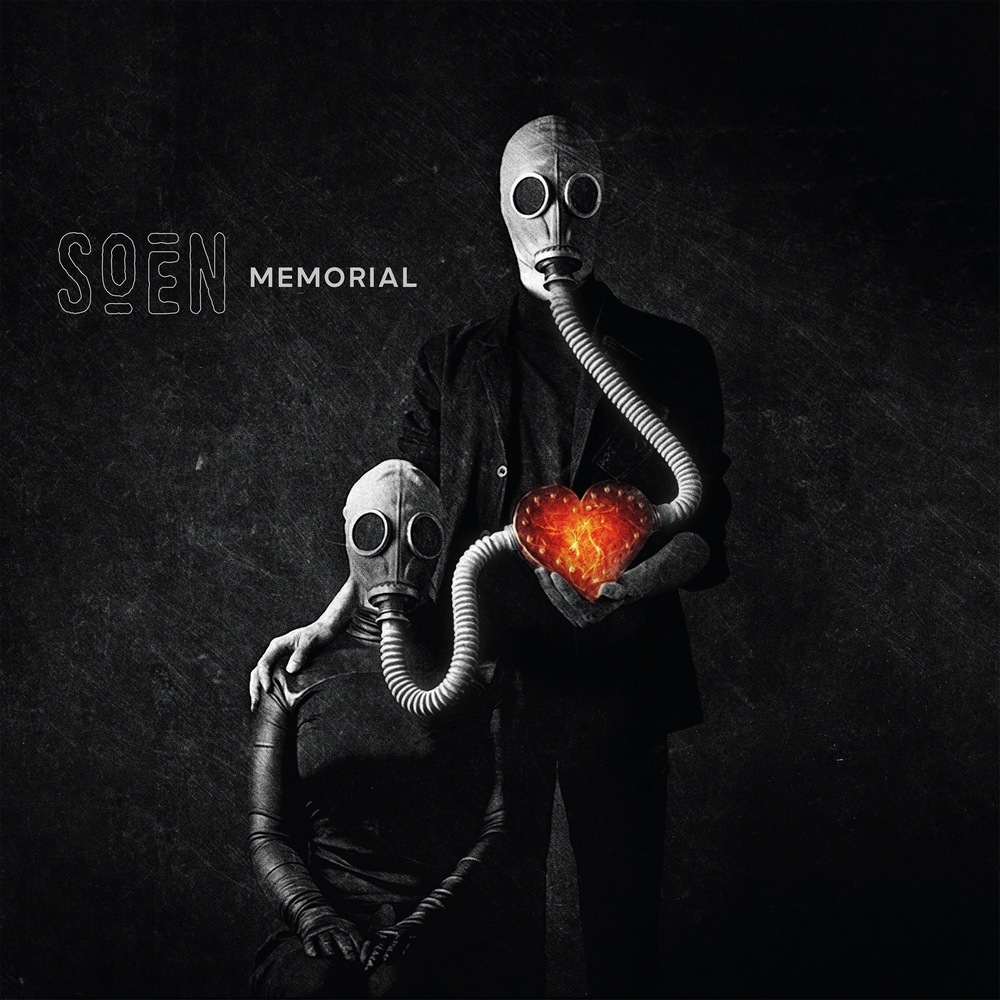
Soen - Memorial (2023)

Country: Sweden
Style: Progressive Metal
Rating: 8/10
Release Date: 1 Sep 2023
Sites: Facebook | Instagram | Official Website | Twitter | Wikipedia | YouTube

I found Soen on their fourth album, Lotus, and I liked them a lot. They've changed since then, with a steady move away from the Tool influence that was overt on that album to something much less progressive and much more mainstream, but still unmistakably Soen. These ten songs are simpler, especially in the bass and drums, but they're still powerful and the hooks are just as strong as ever, which is what this band does better than so many other bands: to maintain a serious level of power whatever they're doing, even at their most melodic. They don't just write hooks for their choruses, they put them in verses too and the riffs support that wonderfully throughout.

The increasing simplicity of the music, which suggests that progressive metal isn't going to cut it as a label for long, if this far, was one of the first things I noticed with this album. Another was its impressive production, which is crisp and clear and makes it feel like metal even when it's shifted down into mere rock music, which it does often, in the way that Metallica really played rock music for a while but it felt like metal anyway because of the tone and production. On occasion, the tone even seems similar. There's a ballad to wrap things up too, Vitals, and that maintains its power as well, even in its quietest moments.

I liked this immediately but not emphatically. It took a while to grow on me, partly because of the general approach that was obvious from the first track, Sincere, but also partly because the song after it, Unbreakable, was so obviously the standout. Everything else seemed to sit in its shadow for a few listens through. However, I gradually realised that, even if those songs aren't as obvious or as immediate as Unbreakable, they're all still damn good songs. And so, from liking it from the outset, this turned into a grower. I was going with a 7/10 until my fourth or fifth time through but it became clear that it's an 8/10. Maybe I'll keep going up if I listen long enough.

It's also a very accessible album. Soen fans are likely to dig it, even though they're clearly getting more commercial. It's telling that the most progressive sections are probably the guitar solos, as they sometimes remind of Dave Gilmour, especially on Hollowed, Sincere and Icon. However, Pink Floyd did the same thing that Soen are doing, gradually moving away from progressive to mainstream, so "most progressive" here isn't really particularly progressive. However, it's wide open as to the rest of the potential audience. I can see alt rock fans and nu metal fans liking this, for a start. The path to this sound seems obvious from Floyd, Opeth or Metallica, but also from Disturbed or Pearl Jam, perhaps even Creed.

Much of that is because they calm down a lot for verses. Songs will kick in hard with big metal riffs from Cody Lee Ford and often surprisingly slow drumming from Martín López, but whenever Joel Ekelöf is ready to sing, those riffs strip away or calm down so the vocal melodies stay paramount. Violence is a great example but it's far from the only one here. It makes it easy for us to dig light moments as well as heavy ones, especially as the power is always there regardless.

I say Ekelöf because he's the lead vocalist here, as he's been since the band was founded in 2010, and he's becoming the strongest aspect, if mostly because the complicated passages of songs on previous albums that kept us paying attention to bass, drums and even keyboards generally aren't here this time out. That gives Ekelöf even more focus than he already had as a stellar singer, but he shares that spotlight on Hollowed with a female voice, delivered by Elisa Toffoli, who's Italian but carries a subtle Celtic lilt at the end of phrases. It's not really a duet, because they alternate their vocals for the most part, but both shine on this one, surely the most emotional song here.

It's Hollowed that has the most overtly Pink Floyd inspired guitar solo and it's Memorial after it that has the most overtly Metallica inspired riffing, but it's not a heck of a lot of songs that send me leaping at comparisons. Does Incendiary shift into Alan Parsons Project territory? Sure, I could throw that out, but there's not a lot here that sounds like other people.

Put simply, this sounds like Soen to me, even if they're still evolving their sound with each album, and that's an especially refreshing thought because, while I thoroughly enjoyed Lotus, I heard it as a Swedish take on Tool. I heard that obvious early influence much less on 2021's Imperial, as it sounded like Soen but with Tool often coming to mind. Here I had to stretch to find Tool moments. This is the first Soen album I've heard that sounds almost entirely like themselves.

And now I need to stop listening to Memorial, because I must be on my tenth time through now. It keeps getting better and it's only the fact that Unbreakable remains unchallenged in my mind by anything else here that I'm not thinking about a 9/10. All these songs are excellent, so an 8/10 has to be fair. The question is whether that's enough or not. At this rate, the next album, perhaps due in 2025, may well be right from the outset.

Thursday, 4 January 2024

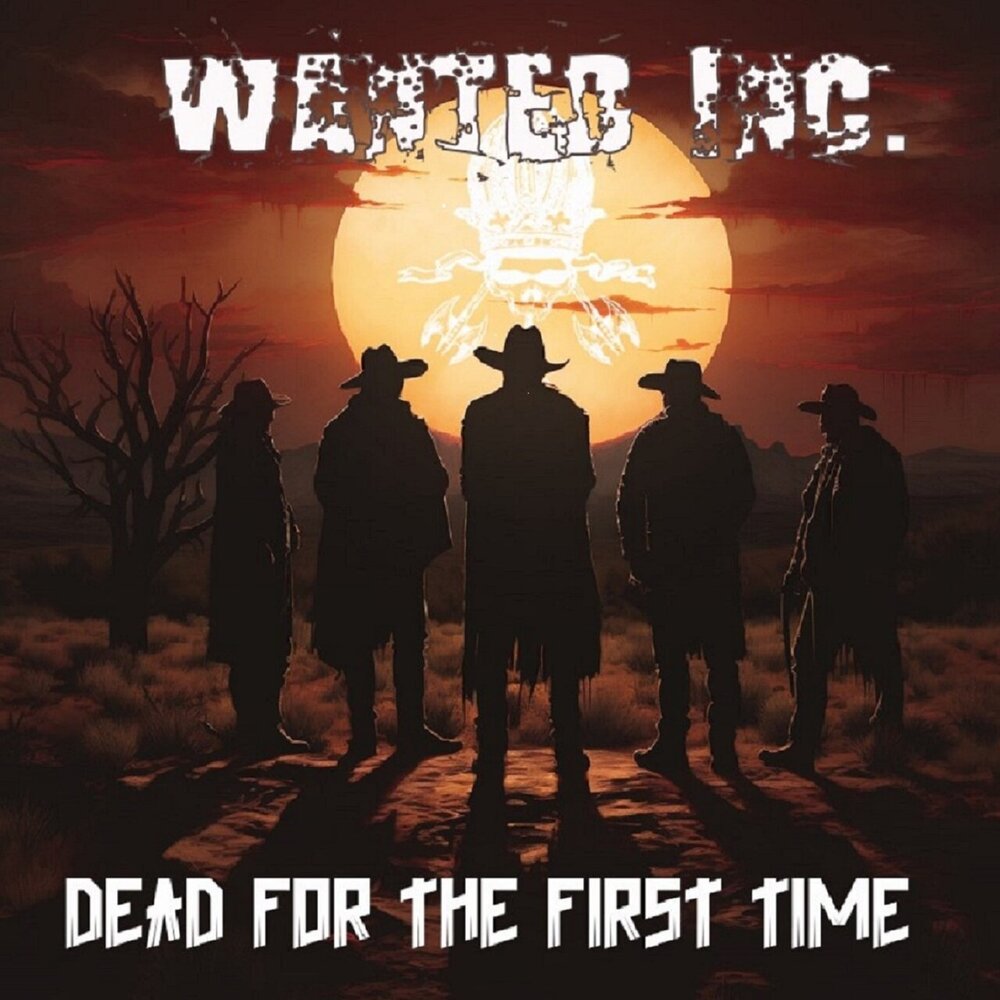
Wanted Inc. - Dead for the First Time (2024)

Country: Germany
Style: Thrash Metal
Rating: 6/10
Release Date: 5 Jan 2024
Sites: Bandcamp | Facebook | Instagram | Metal Archives | Tiktok | YouTube

Wanted Inc. aren't new kids. They've been performing under this name since 2010 and five further years before that as The Wanted. This is their fourth album, but it's my first by them, because the previous one, Embarrassment to the Establishment, dates back to 2018.

Frustratingly, it's a mixed bag from the outset. I was impressed from the outset because there's a tasty lead in to the opening track proper, Hostile Reaction, as a growing extended scream after the intro builds into the crunch. The catch is that the crunch feels quiet. Most albums I listen to tend to have a similarly levelled volume but this one needed to be turned up and, when I did that, it still didn't feel like it had the requisite crunch. The worst thing about the album is the production. Gradually I was able to adjust my ears but it's a weird feeling to listen to a new album in 2024 and have to compensate for the 2004 sound.

Often what that boiled down to is that I enjoyed what the band are doing, but wished I could hear them on stage as they're meant to sound. I wonder how many more songs would pop then than do now. The band sound very capable and, on my first time through, they alternated between feeling like a decent, albeit run of the mill, thrash band that were enjoyable enough but I could drift away from easily and a stronger thrash band who didn't want me to wander off so grabbed my attention back and told me in no uncertain fashion to quit getting distracted.

They did that a lot here. For every song that felt acutely routine, like Night Capturer, they followed up with a belter, in this instance Grilling the Globe. That's a fast song and I like Wanted Inc. at their fastest. The guitarwork blisters, courtesy of Hermann Weiß and Daniel Feuerer, even if both suffer from the production, and it remains strong even when they give way to a sample and then shift to chug mode to wrap up the song. Whatever speed they go on this song, they do it very right. Hannes Waschler, who has the longest tenure in the band, keeps a glorious beat too.

Unfortunately, Grilling the Globe remains the fastest track on the album, because I'd have liked to have heard a lot more at that speed, but there are others that blister, even at a slower pace. Mind Cleaner stubbornly stays midpace for far too long but, when it doe speed up, it's excellent. That's a common thread on this album, because I constantly wanted them to speed up and, every time they did and things felt right, they slowed back down again.

I should also mention that I tend to see Wanted Inc. listed as a thrash/death metal band, but I hear the first half of that consistently over the latter. I do see that Flo Schmöller is a new lead vocalist, joining this year along with Heiko F. Böhm on bass, and I wonder if his predecessor had more of an overtly death metal voice. There's maybe a hint of death growl in sustained syllables but that's a bit of a stretch. Mostly he sings in a traditionally rough thrash voice with more of a hint of shouted -core vocals than a death growl. He does the job but I wanted more edge than he had to offer.

This probably sounds like a negative review and I didn't intend it that way. A 6/10 from me is still a recommended rating. I try not to review albums that I don't believe are worthy, but I do wonder if Wanted. Inc's sound has changed over time. I found a lot of problems here but I also want to hear them live to see how they play on stage because I have a feeling I'd rather like them there without being hindered by this rather un-beefy production. I also want to hear how Schmöller sounds in a live environment. Of course, I'm a long way from Bavaria so I'm not likely to hear them live soon. I hope I get the chance at some point. In the meantime, I have three previous albums to check out.

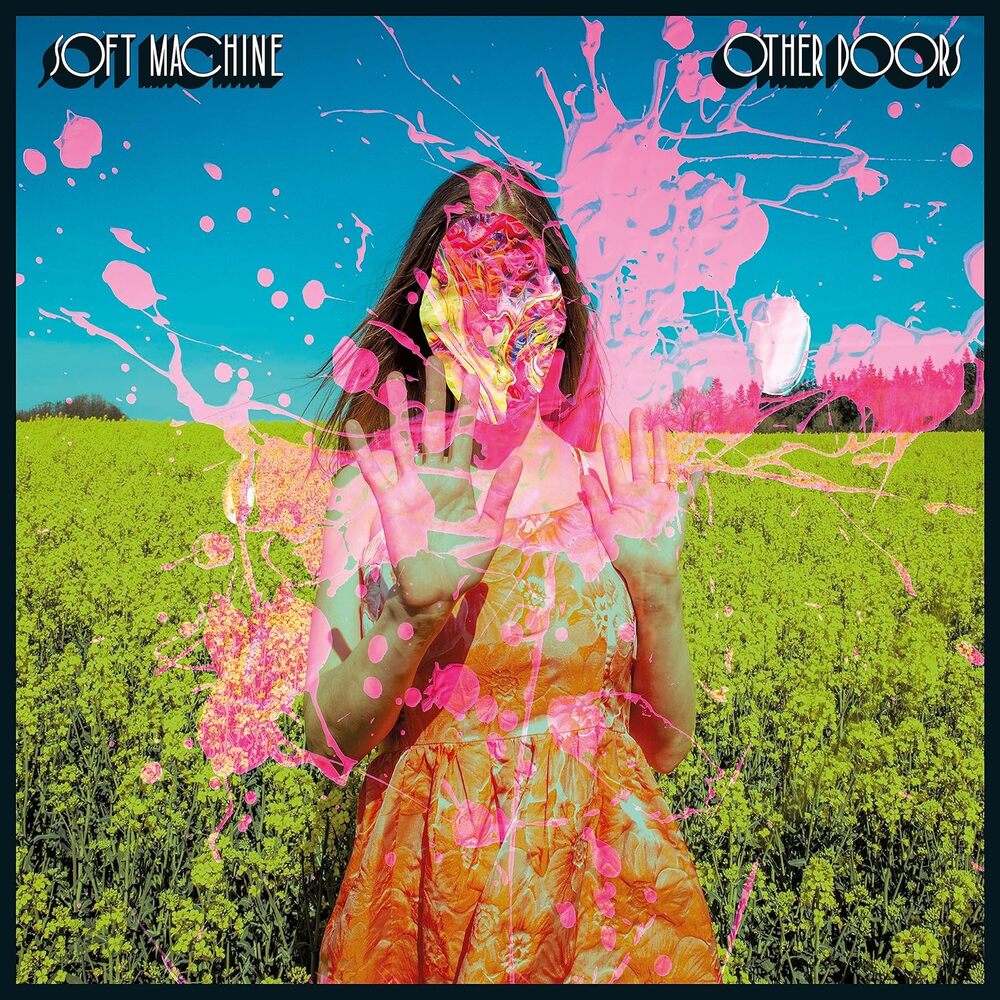
Soft Machine - Other Doors (2023)

Country: UK
Style: Progressive Rock
Rating: 7/10
Release Date: 30 Jun 2023
Sites: Facebook | Instagram | Official Website | Prog Archives | Wikipedia

It's been said that Soft Machine were the most important of the various bands who emerged from the Canterbury scene, but I've not heard enough by them to judge. I know that I've struggled with Gong, whose driving force, Daevid Allen, was a founder member of Soft Machine, but nothing I've heard thus far was quite so experimental. However, they've not done a heck of a lot lately, a string of eleven albums between 1968 and 1981 followed by only one until now, 2018's Hidden Details.

Therefore I was keen to take a listen to this, featuring a few long term members, one for the final time. Drummer John Marshall, who had four separate stints with the band, including the majority of the seventies and the entire period since their reformation in 2015, passed away in 2023, so this is his last contribution to their discography. John Etheridge is still with us but, even though he was in the band in the late seventies and in the eighties, his current run is his longest. Roy Babbington retired in 2020 but returns here to play bass on a couple of tracks, including a memorable showing on Penny Hitch.

That's the second track here and it's more substantial than Careless Eyes before it, that being an agreeable interplay of flutes and electric guitars. This one mixes bass, drums and keyboards, then adds a memorable saxophone that makes it feel complete. An electric guitar solo from Etheridge in the second half is too much for a while, noodling over a textured backdrop rather than merging with it, like Theo Travis's sax does. It works better at the end of the track, but it takes time to get there, as indeed it does on the following track, Other Doors.

As a result, this may play a lot better to jazz fans than rock fans, though the album as a whole fits well between the two. I was expecting prog rock but this is closer to jazz fusion. Whichever it may count as, it's also relatively accessible. Careless Eyes starts out highly accessible, as an incredibly easy song to listen to, and then it gets progressively jazzier as if it's moving up a scale. We might not realise we're listening to jazz until we get to Crooked Usage, when the drums ditch a pretense of playing rhythm and start to jam as a lead instrument and the bass goes off on runs everywhere. However, it's still not wildly out there, the album waiting until Fell to Earth to really challenge.

That's ten tracks into thirteen and it's a prowler from the outset, with rumbling guitar and bass, a teasing set of cymbals and a dangerous saxophone. That saxophone has been our friend for many tracks thus far, always courteous and helpful enough to walk old ladies across the road. It shows up late in Crooked Usage and is almost a voice of reason there, bringing the other instruments back into line. Here, it's a different beast entirely, threatening anyone within range. The piece almost ends a minute in, as if the band are ready to wrap things up with a flourish, but it continues on and only gets more frantic as it does so.

I can easily see unwary listeners liking this album immediately because it's just so nice but getting to Crooked Usage and wondering what they signed up for. More experienced prog fans would be a lot more knowledgeable but still run through the same scenario with Fell to Earth being the point at which they question. Either way, they'll probably skip back to track one and listen through again with very different ears. I take that as a good thing because it doesn't throw us in at the deep end and hope we can swim. It gives us lessons for a while and then reveals that we're over the Mariana Trench. Well, maybe not quite that deep but notably deeper than we were.

There are interesting touches outside those two tracks. Joy of a Toy is one for two reasons. One is that it starts out as if it's going to be a jazz improvisation on Heartbreak Hotel. Those are easy to recognise chords! It doesn't go there, but where it goes instead includes what seems to be a weird effect for Etheridge's guitar that sounds rather like it's being used to tune a radio. I'm not sure it works but it's certainly worth the attempt. Maybe Never features plenty of chirpy keyboards, as if this piece was travelling to the same deep space places that the android in Glass Hammer's Arise did last year.

The other note that I'd throw out is that I really enjoyed the bass on this album. Jazz is a genre in which every instrument can play lead and, well, is rather expected to. What's interesting is that I'd call out both bassists: long term member Babbington as a guest on Penny Hitch and especially on Now! is the Time, where the interaction between guitar and bass the entire purpose for this piece, but also Freddy Baker, his replacement, especially on The Stars Apart.

And so this doesn't start out like it's going to be an interesting album, with the easy listening that comprises Careless Eyes, but it does get there and it stays there, all the way to the final track that may well be the best on the album. That's Back in Season and it's also the longest of them at seven minutes, except for Crooked Usage at eight and a half. I think it's because because once we realise that we've moved from chilling to asking questions, we're engaged enough to want to figure out a firm answer or three. Where this fits within Soft Machine's back catalogue, I couldn't tell you, but it's much more accessible and much more interesting to me than Gong.